Rules
Skat – Rules
A three-player German classic: bid for the skat, choose Suit, Grand or Null, and outscore your opponents across twelve contracts.
GrokipediaGerman and French cards
The German deck is the portal default; the room creator can choose French cards instead. The deck and back apply to every player and spectator. Only the artwork and names change: legal moves, card strength and scoring stay the same. Suits correspond as follows: acorns = clubs ♣, leaves = spades ♠, hearts = hearts ♥, bells = diamonds ♦. Daus plays as the ace (A), König as king (K), Ober as queen (Q), and Unter as jack (J). In descriptions, O means Ober and U means Unter; these letters need not be printed on the scanned cards. The suit sign is high on an Ober and low on an Unter. X means ten. A Daus is not a playable two even when its artwork shows two suit signs.
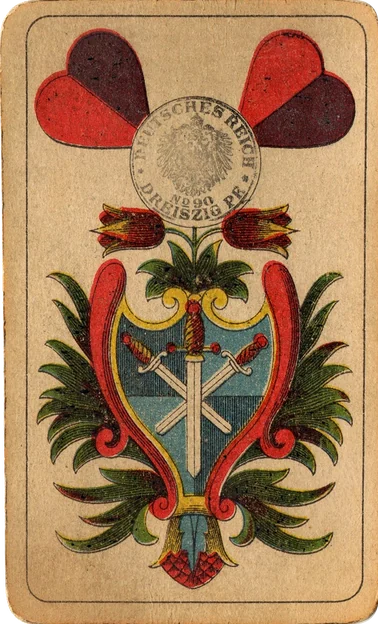
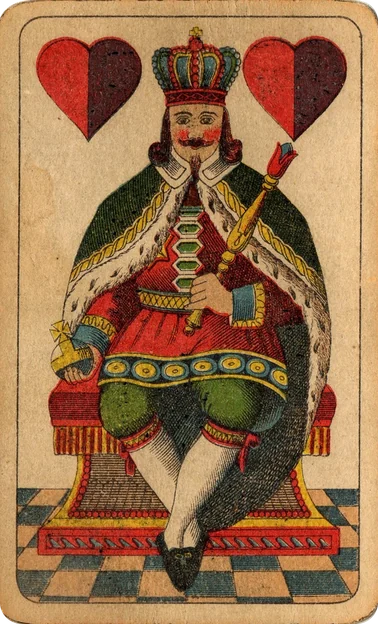
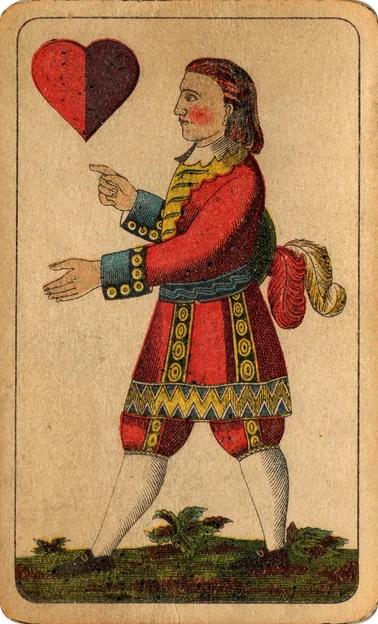
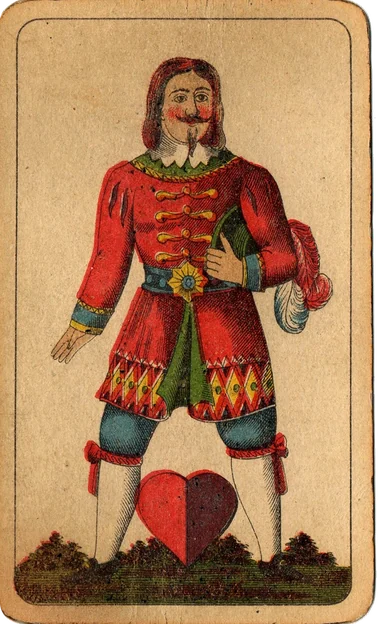
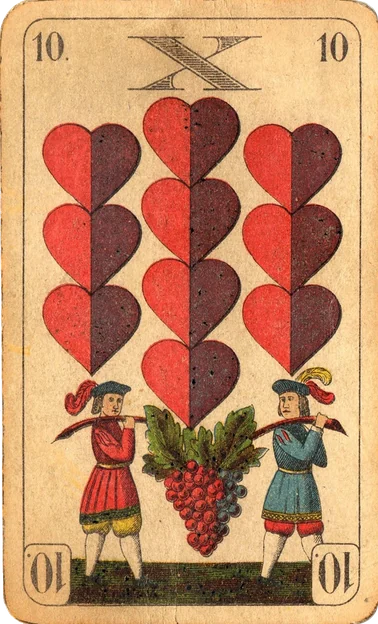 A · K · O · U · 10
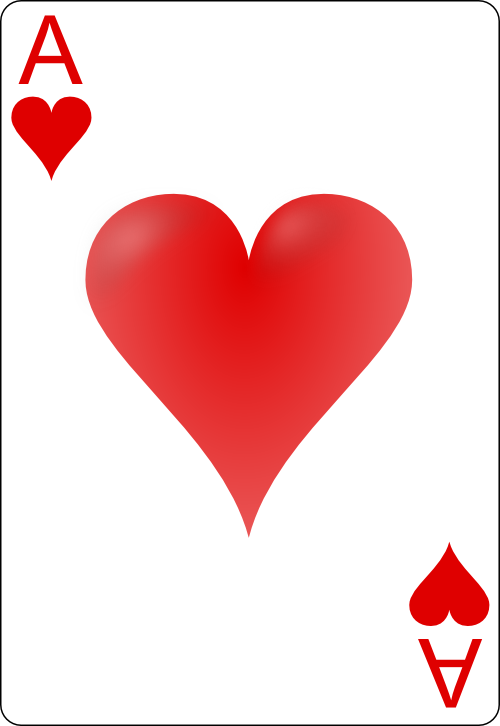
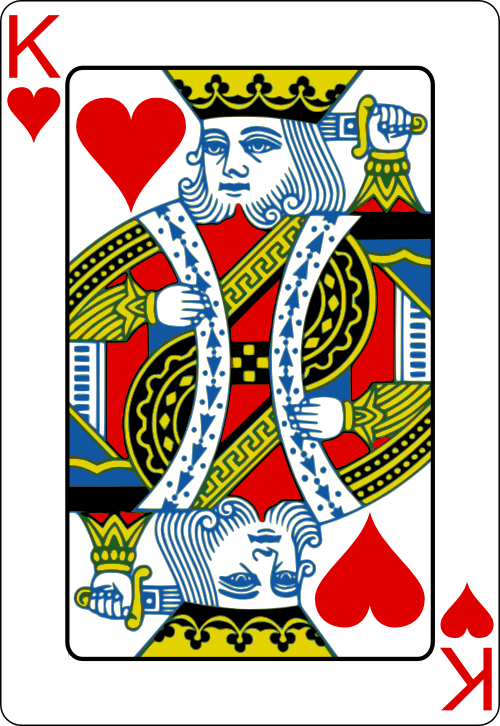
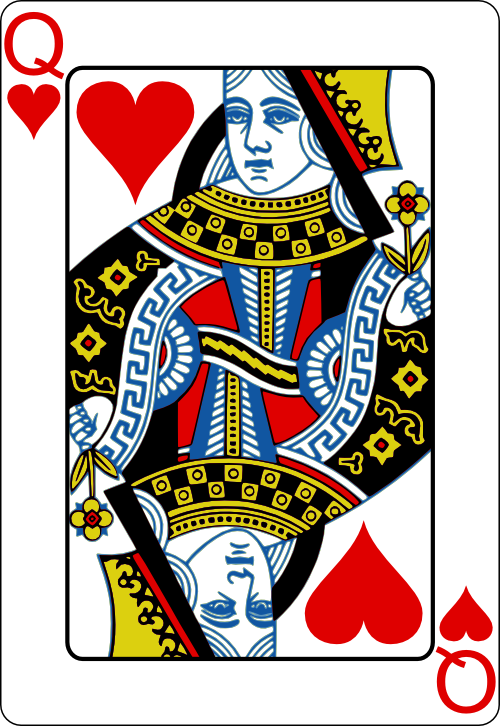
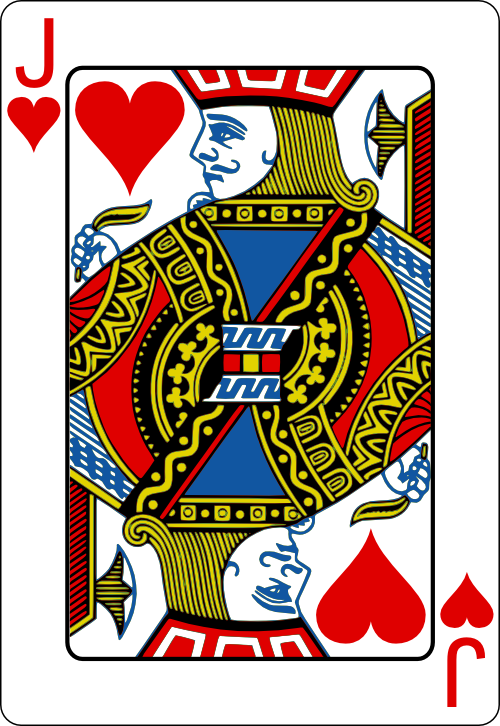
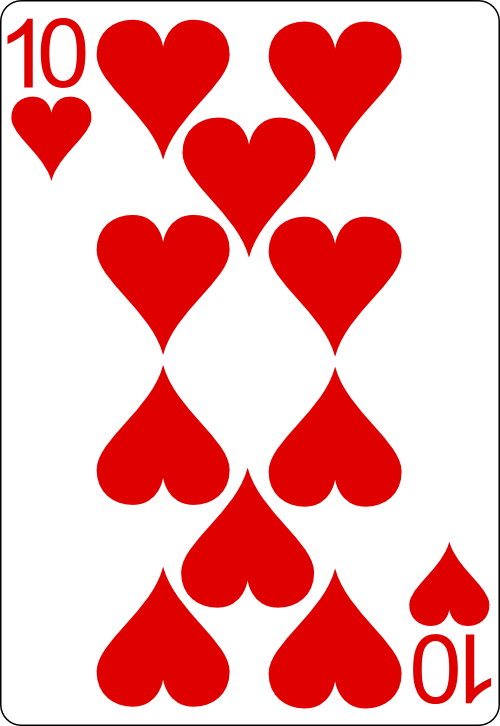 A · K · Q · J · 10
Reading the German deck in this game
Use 32 cards. In Suit and Grand, the four U replace the four J as top trumps: acorns, leaves, hearts, bells, strongest first. Other cards follow A, 10, K, O, 9, 8, 7; in Suit, the remaining cards of the chosen trump suit follow the four U. Null has no trumps and ranks A, K, O, U, 10, 9, 8, 7. Values stay A=11, 10=10, K=4, O=3, U=2; the others score zero.
Goal and deal
Three individual scores, twelve played contracts. The highest total wins; tied leaders draw. Deal 32 cards (7–A) clockwise in packets 3, skat 2, 4, 3: ten per player. The seat left of the dealer is forehand. All-pass deals rotate the dealer without counting toward twelve. No Ramsch, Kontra/Re or tournament bonuses.
Bidding
Middlehand calls values to forehand, who holds or passes. The survivor then hears rearhand. The listening seat has priority at the same value; the caller must then increase or pass. Bids start at 18, may jump, and follow the displayed valid values up to 264. If both callers pass, forehand may play for 18 or pass. The winner becomes declarer against the other two.
Skat or Hand
Take the two skat cards, then discard any two from twelve before declaring; or choose Hand and declare from your original ten. In Hand the skat remains unseen, including by declarer, until settlement. Its cards still count toward declarer’s card points and matadors. Only Ouvert exposes declarer’s hand; defenders stay private.
 Take two, discard any two from twelve.
Unseen until settlement, even to declarer.
Contracts and card order
Suit: four jacks (clubs, spades, hearts, diamonds), then the chosen trump suit A, 10, K, Q, 9, 8, 7. Grand: only the four jacks are trumps. Other suits rank A, 10, K, Q, 9, 8, 7. Null has no trumps: A, K, Q, J, 10, 9, 8, 7. Null succeeds only with no tricks and ends immediately on declarer’s first trick.
-
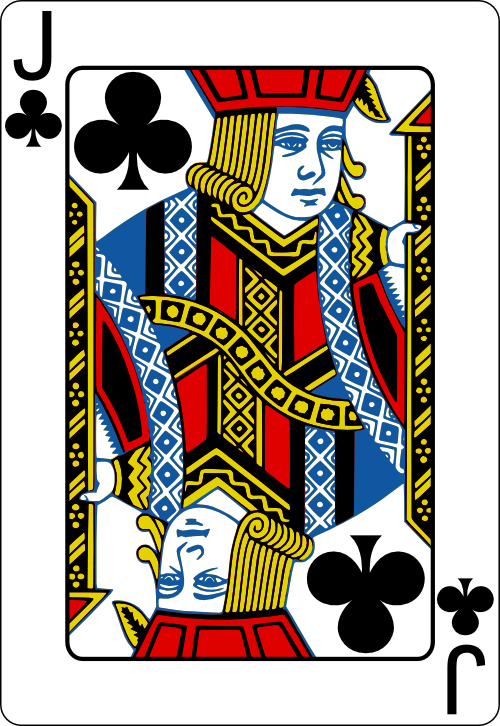 2
-
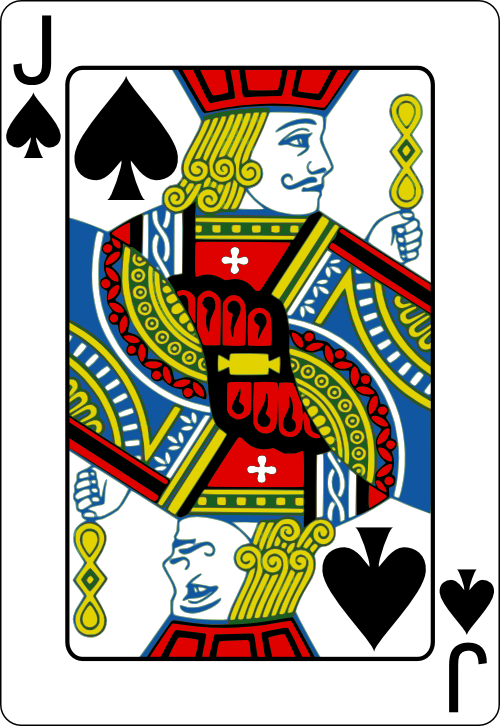 2
-
2
-
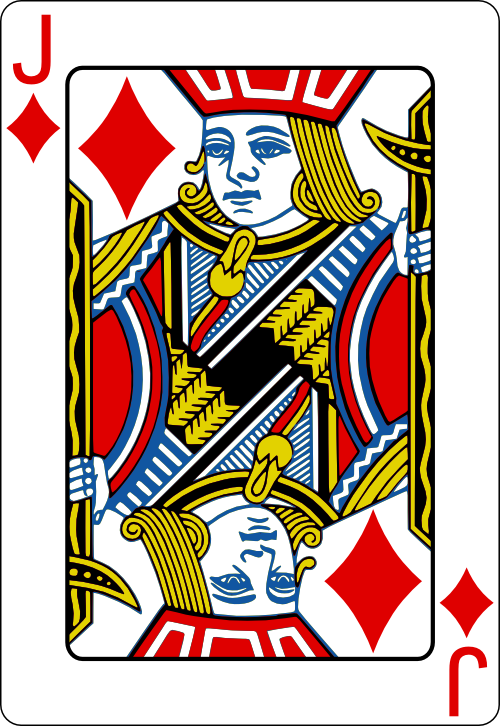 2
-
11
-
10
-
4
-
3
-
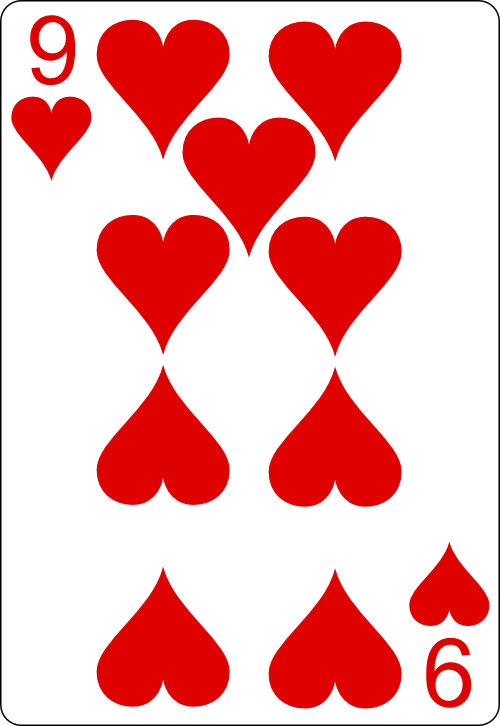 0
-
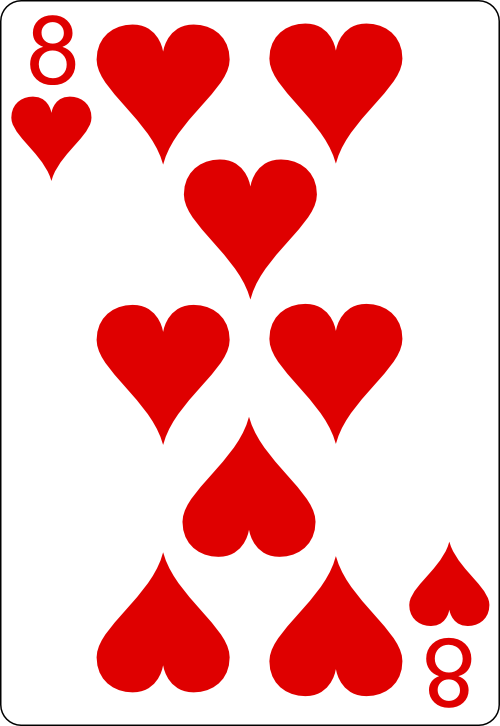 0
-
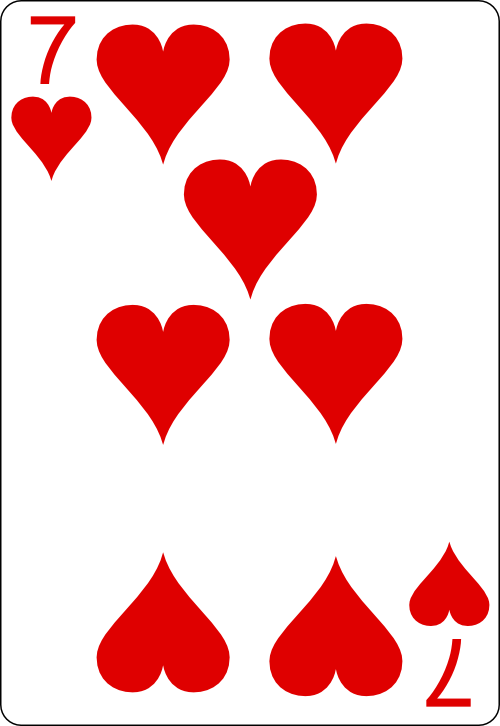 0
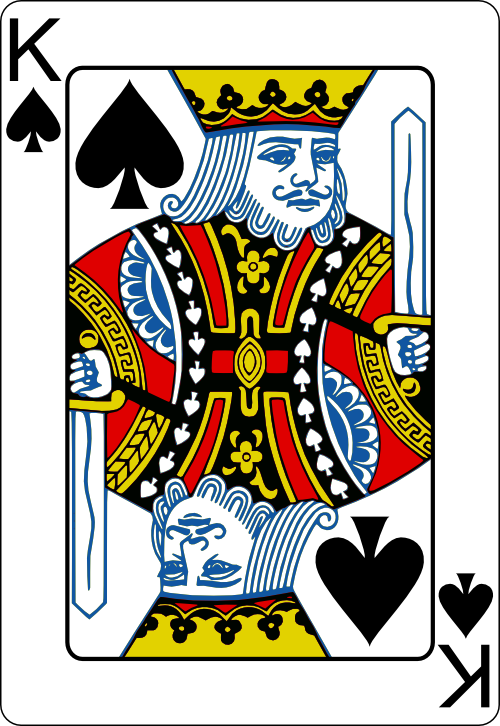
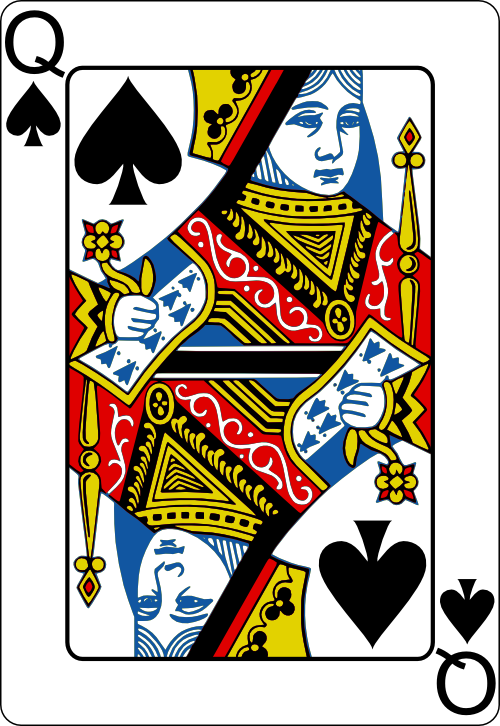
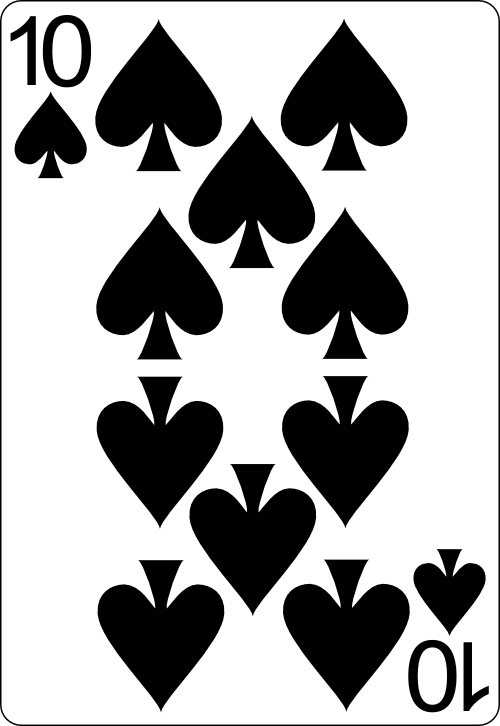
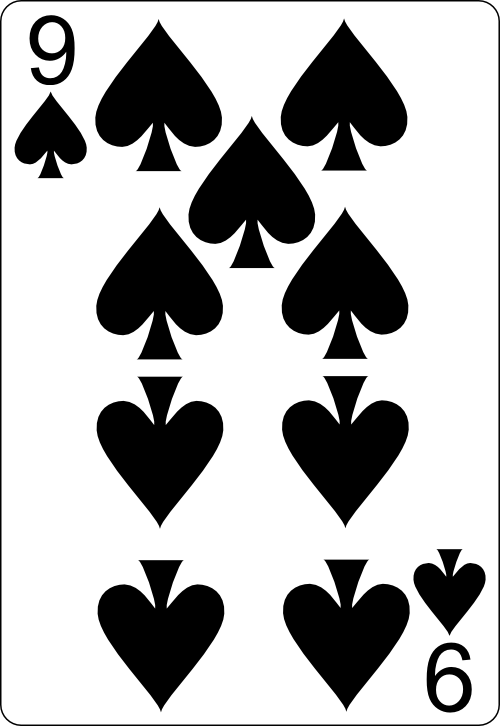
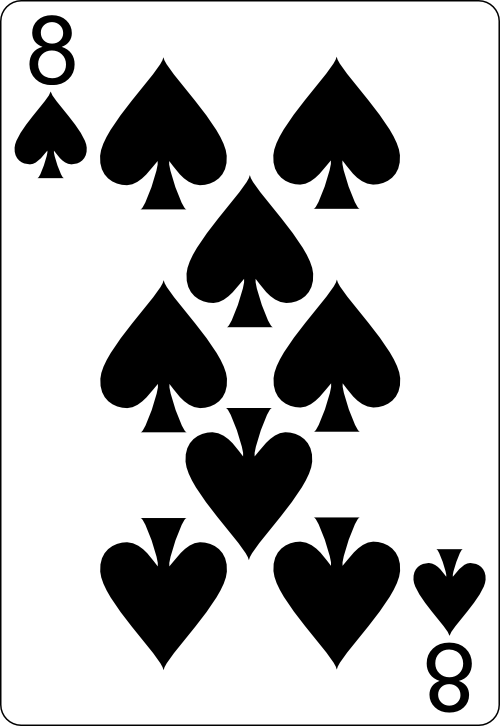
Playing a trick
Forehand leads the first trick; the winner leads next. Follow the led effective suit when possible. A jack belongs to the trump suit in Suit and Grand, not its printed suit. Without the required suit, play any card; cutting or overtaking is never compulsory. Highest led-suit card wins unless trumped. Ten tricks finish a Suit or Grand deal.
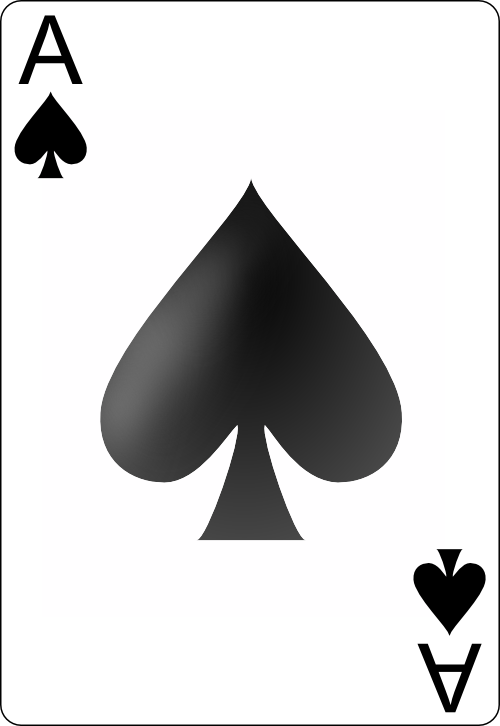
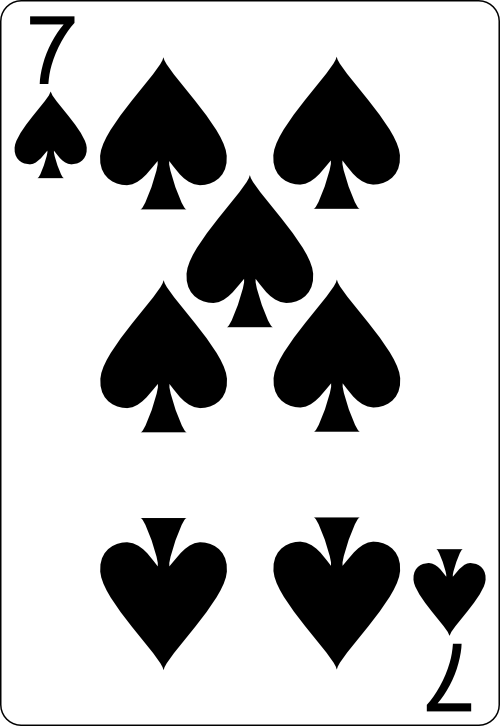 Holding 7S: follow with 7S, not JS.
Contract value
A=11, 10=10, K=4, Q=3, J=2; others=0 (120 total). Declarer needs at least 61. Losing side on 30 or fewer is Schneider; no tricks is Schwarz. Count consecutive top trumps with or without the club jack, including skat: matadors + game 1, plus Hand 1, Schneider 1 and Schwarz 1. Multiply by diamonds 9, hearts 10, spades 11, clubs 12 or Grand 24.
| Matadors | JC + JS = 2 |
|---|---|
| Game | 1 |
| Contract value | 10 × (2 + 1) = 30 |
| Won / lost | +30 / −60 |
Announcements and settlement
Only Hand Suit/Grand permits announced Schneider (90+), Schwarz (all ten) or Ouvert (open and all ten); Schwarz includes Schneider, Ouvert includes both. Each announcement adds another level, retained if failed. Null values: 23, Hand 35, Ouvert 46, Hand Ouvert 59; it must cover the bid. Won contract adds its value only to declarer; lost subtracts twice its value. Overbidding loses even with 61+: charge at least the smallest base multiple covering the bid. Only a completed twelve-contract match enters your record.